
Crafted in New England · Ships Nationwide ·
HCA-Rated 25+ thin stone veneer styles in fieldstone, granite, quartzite, schist, and more — under 14 lbs/sq ft. For residential and commercial projects nationwide, sold through select supplies and direct from Stoneyard.com since 1985.Real stone veneer built for any climate.
-

-

-

-
-
-
-
 New!
New! -
-
-
-
-
-
-
-
 New!
New! -
 New!
New! -

-
-
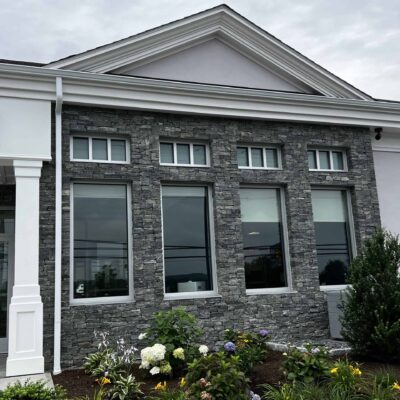
-
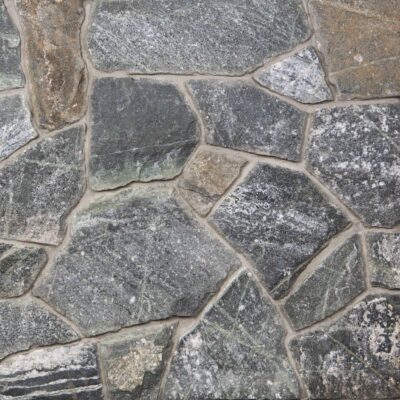
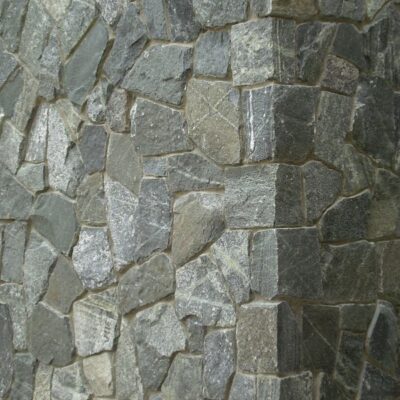
-
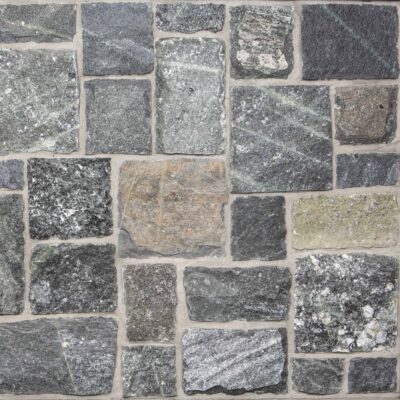
-
-
-
-
-
-
-

-
-
-
-
-
-
-
-
 New!
New! -
-

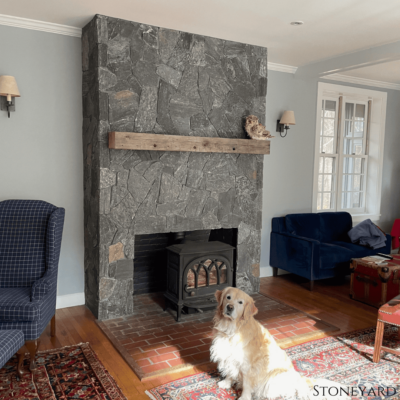
-
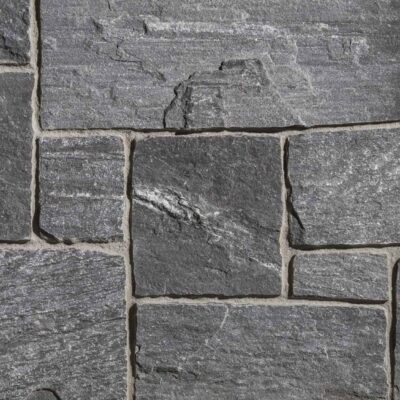
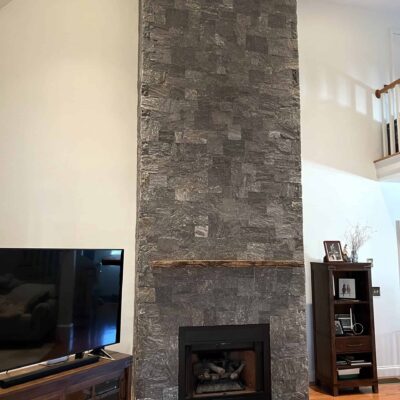
-
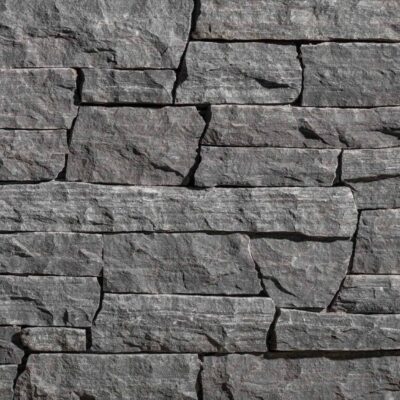
-
 New!
New! -
-
-
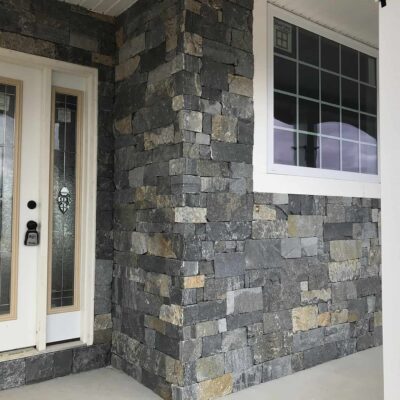
-
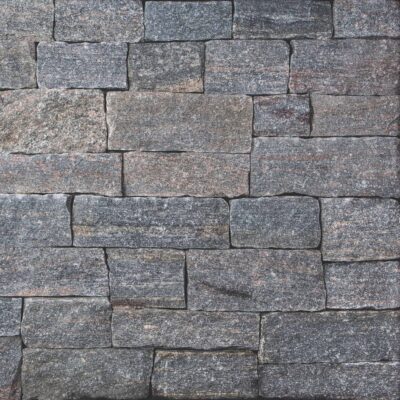
-
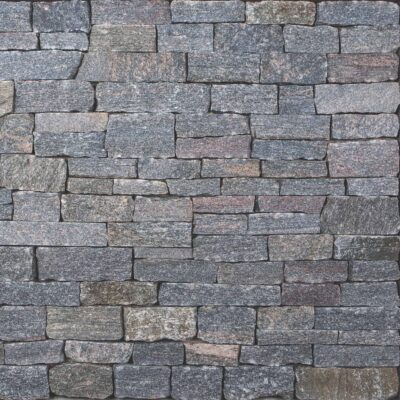
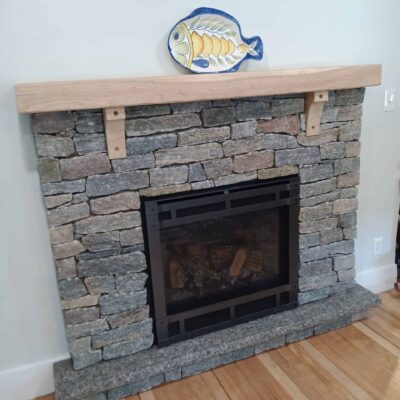
-
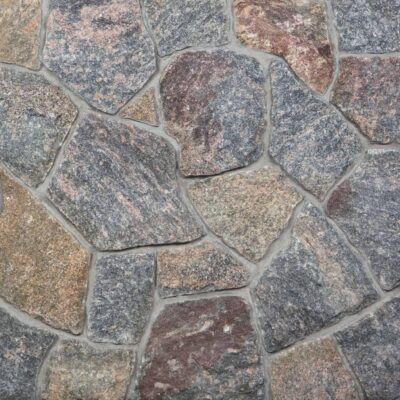
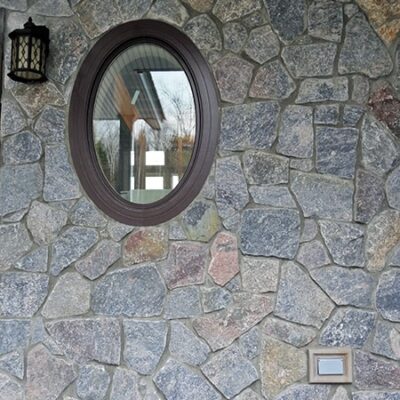
-
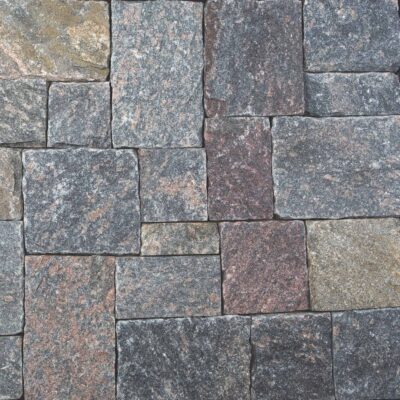
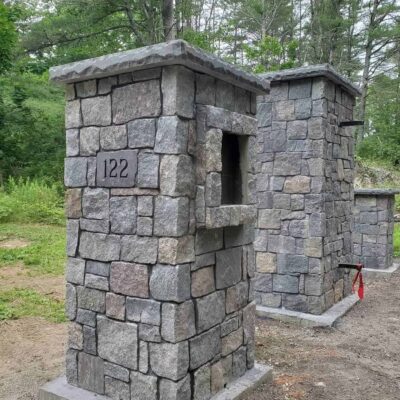
-
-
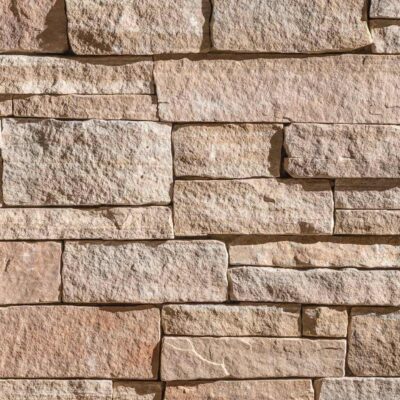
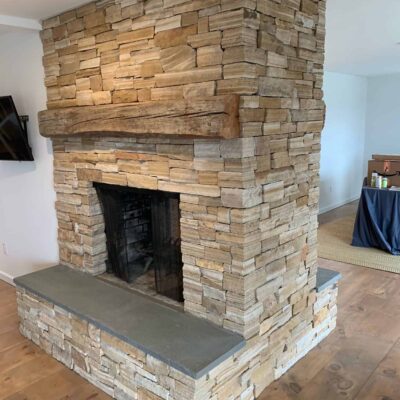
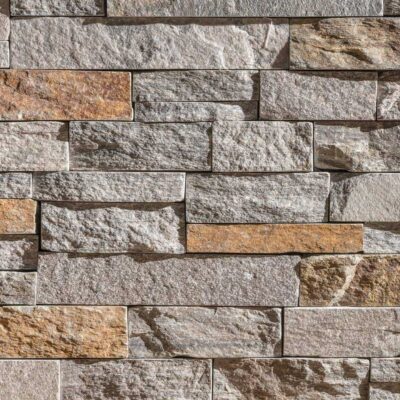
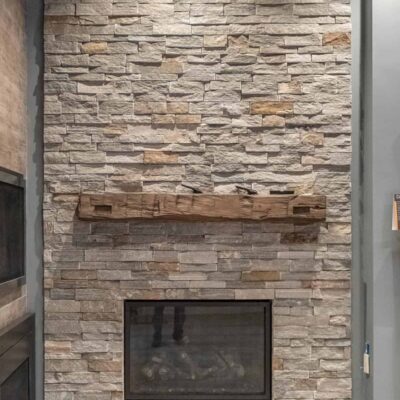
How to Choose the Right Thin Stone Veneer
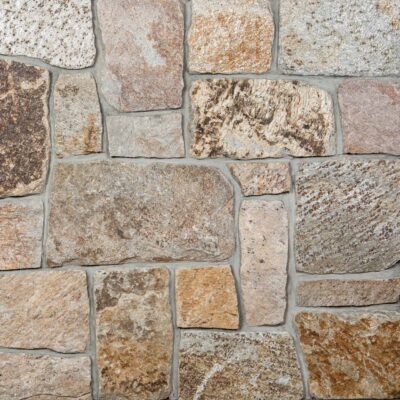
Most projects come down to one decision first — the shape. Stoneyard offers thin stone veneer in five shapes, each with a distinct character.
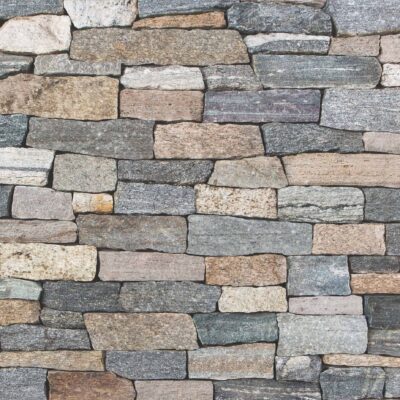
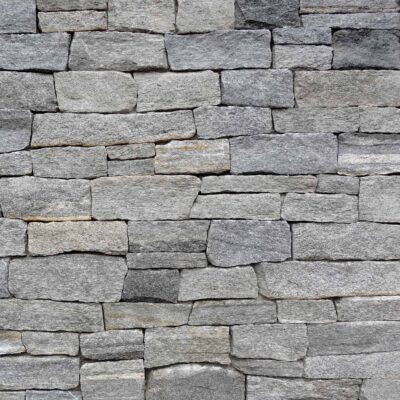
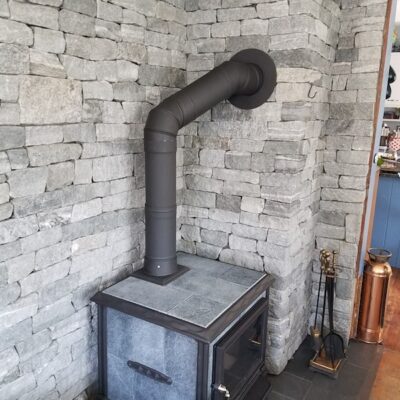
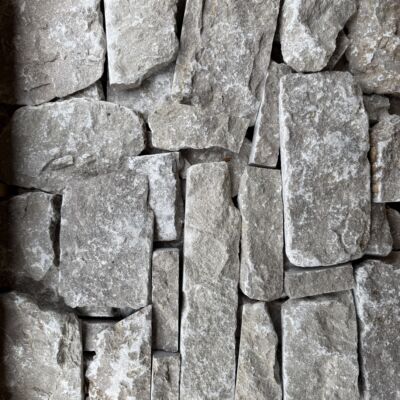
Ledgestone
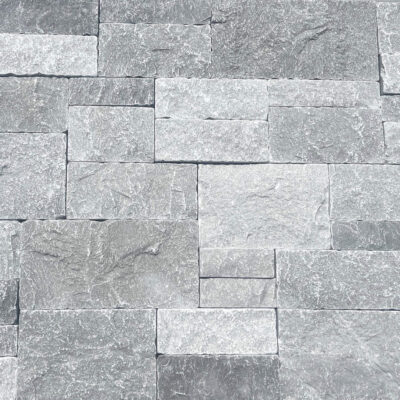
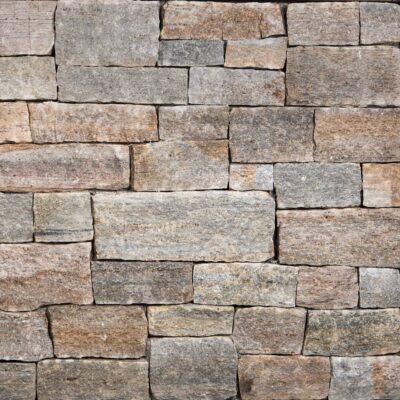
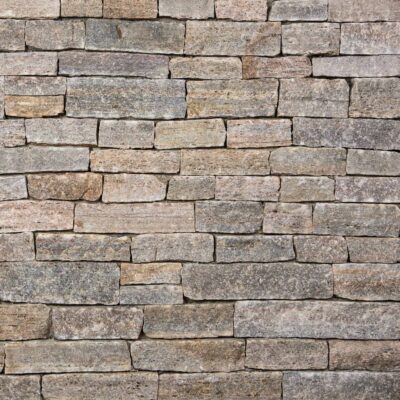
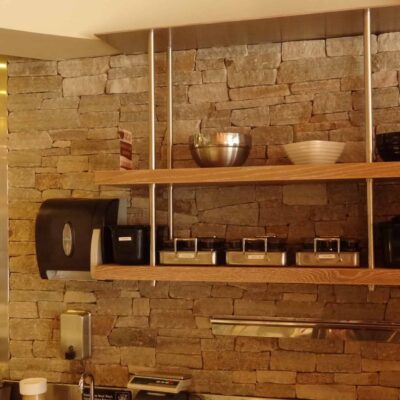
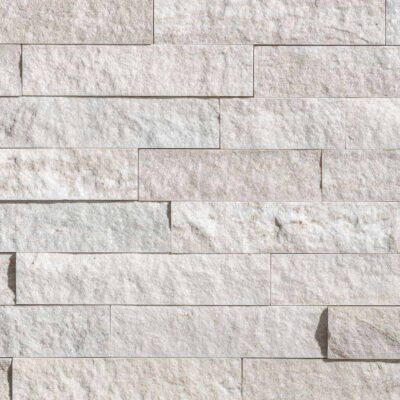
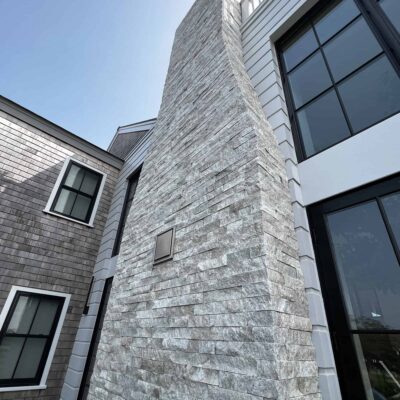
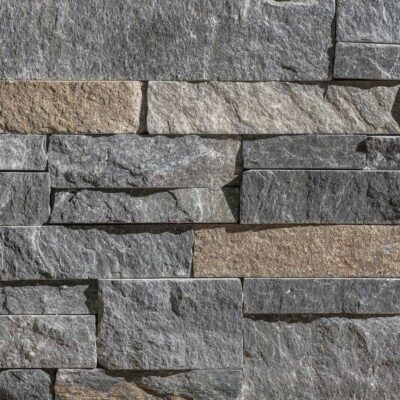
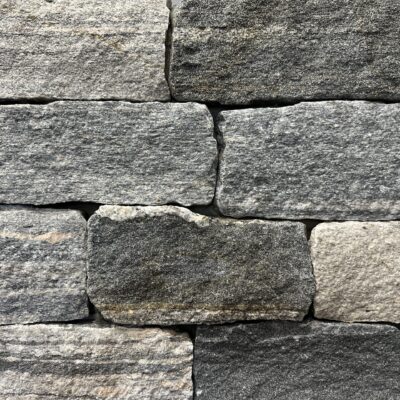
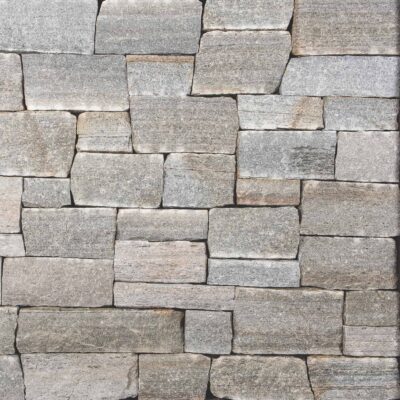
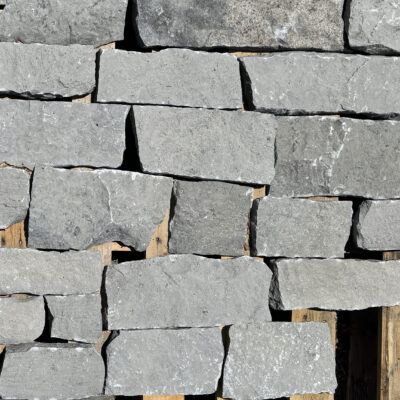
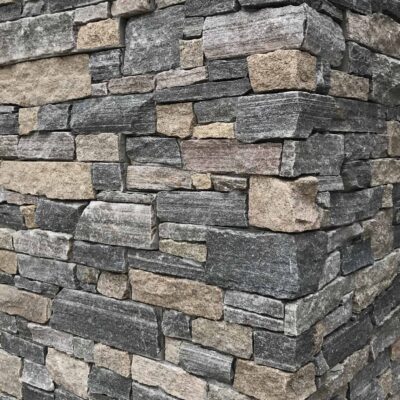
Stacked horizontal pieces with a clean, layered look. Modern and architectural.
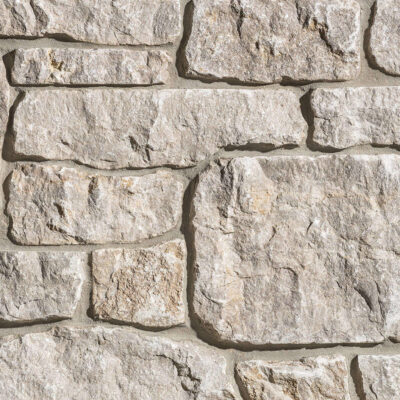
Ashlar
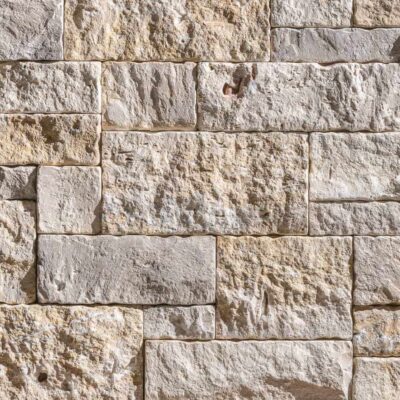
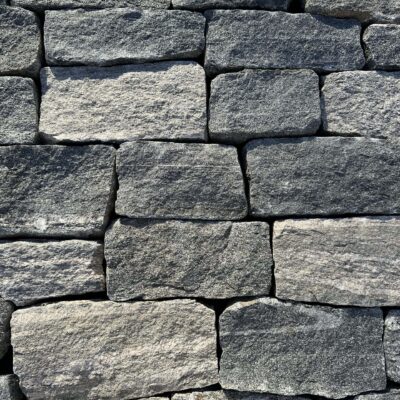
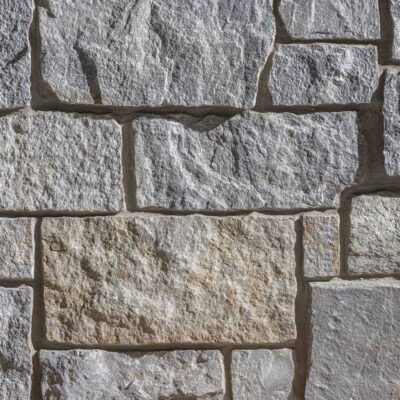
Taller than ledgestone, roughly rectangular with a split face. Traditional and refined.
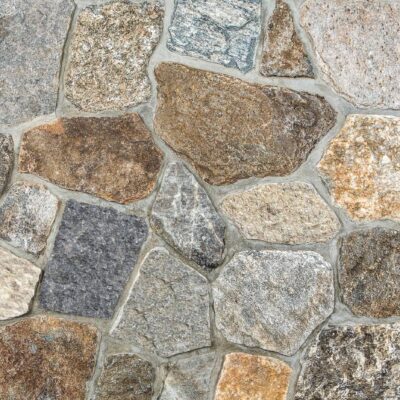
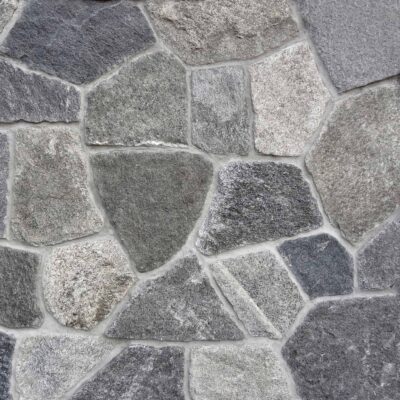
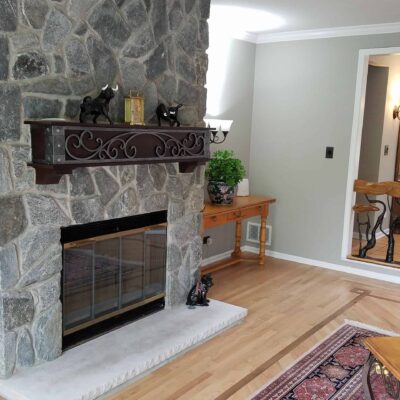
Mosaic
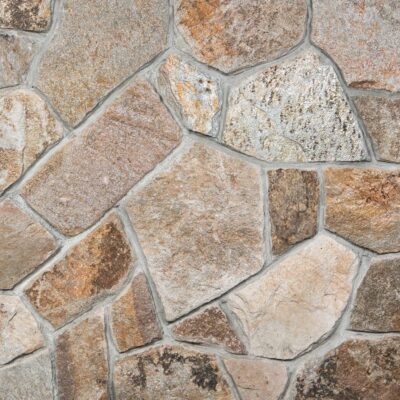
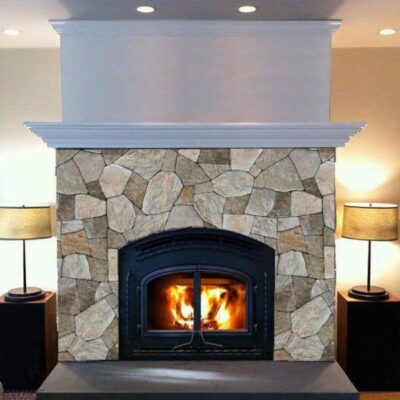
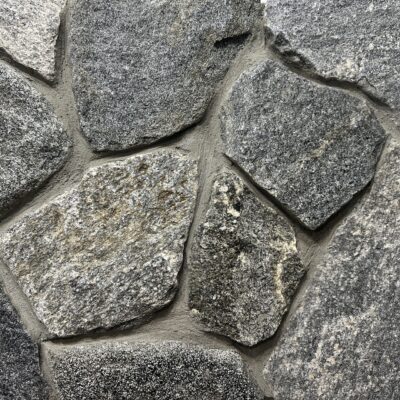
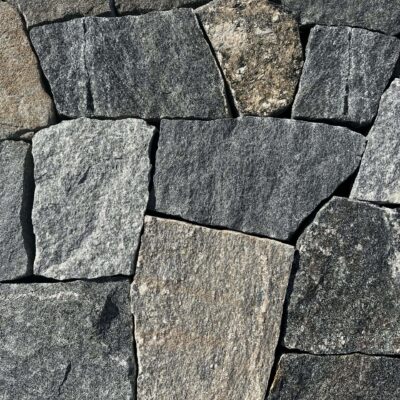
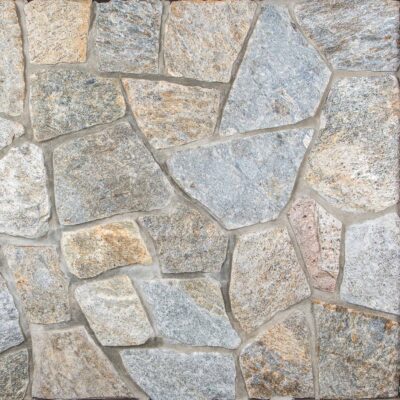
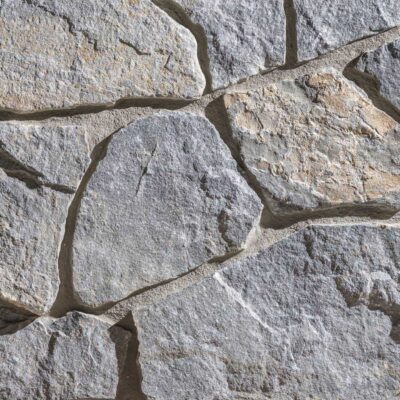
Irregular triangle and stop-sign shapes fitted like broken ice. Rustic and dense.
Square & Rectangular
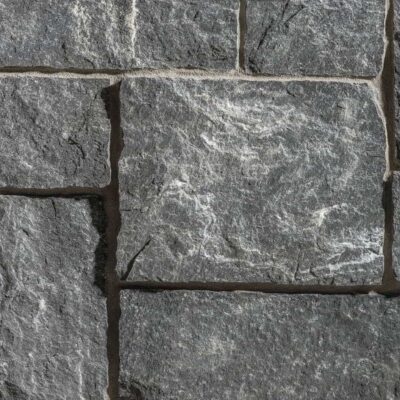
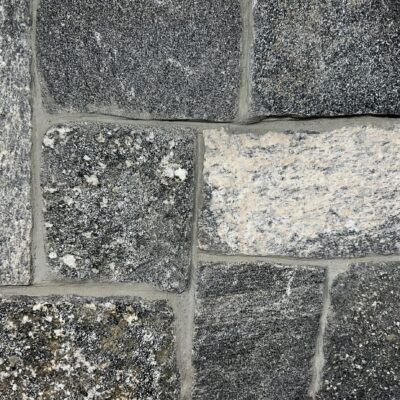
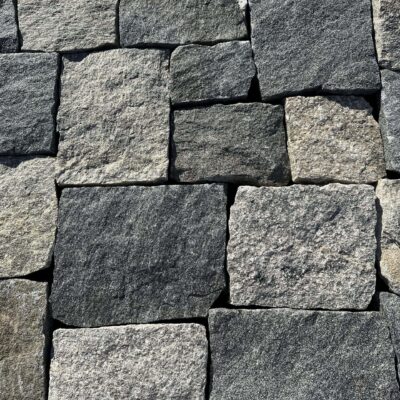
Roughly square and rectangular pieces for a dimensional, formal look.
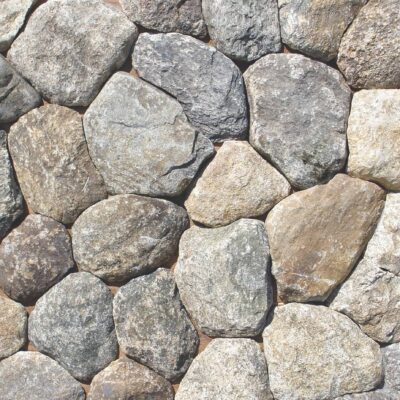
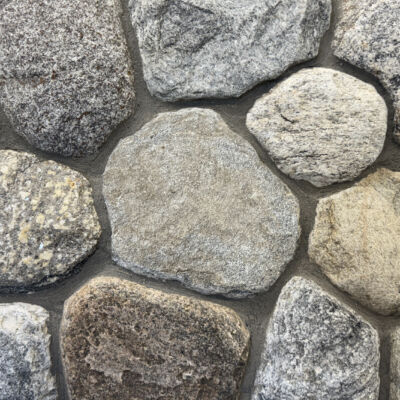
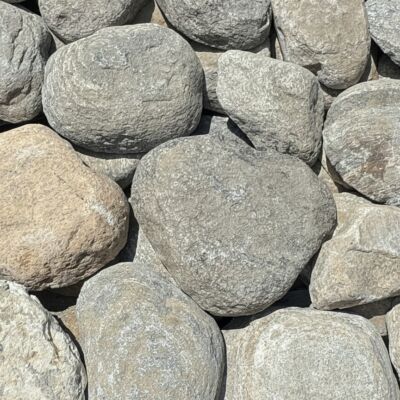
Round
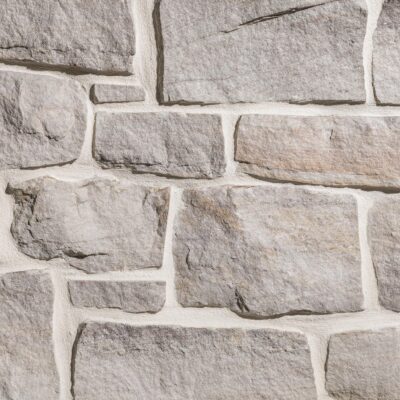
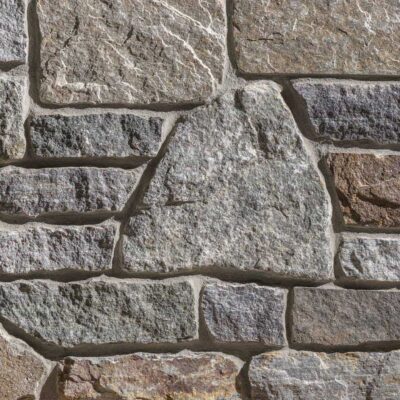
Irregular round-edged pieces that mimic full rounded stones. Classic New England character.
View all five shapes side-by-side → · Still not sure? Try the Stone Finder.
Stoneyard HCA
Harsh Climate Approved — engineered for demanding conditions
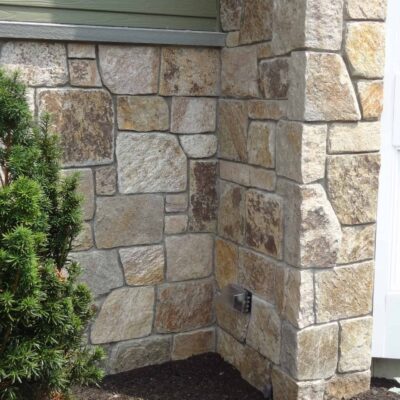
HCA is Stoneyard’s proprietary rating system. Six collections carry the rating — engineered for coastal wind, salt air, freeze-thaw cycles, and below-grade, water-feature, blowing-sand, or near-salt-water use on properly prepared substrates.
What it is
HCA collections are cut from dense granite and quartzite — the mineral compositions with the lowest water absorption and highest compressive strength among natural stones used in thin veneer.
How it performs
HCA stone resists freeze-thaw damage, salt-air corrosion, and surface erosion. Suitable for below-grade, water features, near-salt-water, and blowing-sand applications on properly prepared substrates.
The basis
HCA is a Stoneyard designation based on four decades of field performance across New England installations. It is not a third-party certification or industry standard.
The HCA roster · 6 collections
Specs & Applications
Physical specs
- Thickness: approximately 1″
- Weight: under 14 lbs/sq ft
- Materials: granite, quartzite, and fieldstone
- Quarried and cut at our facility in Littleton, Massachusetts
Where it’s used
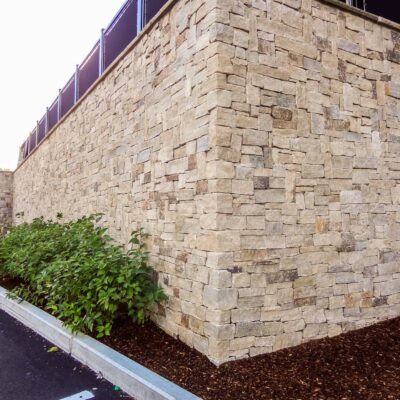
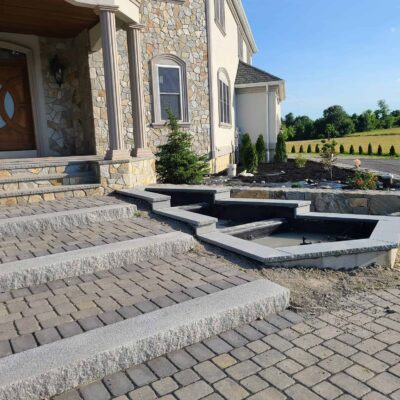
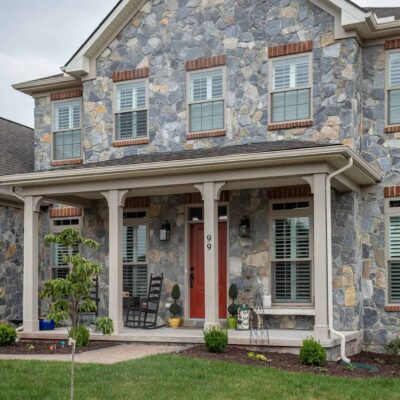
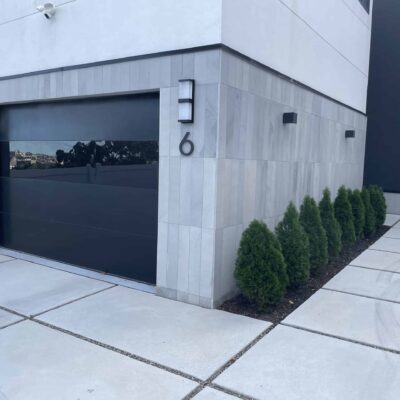
- Exterior siding and facades
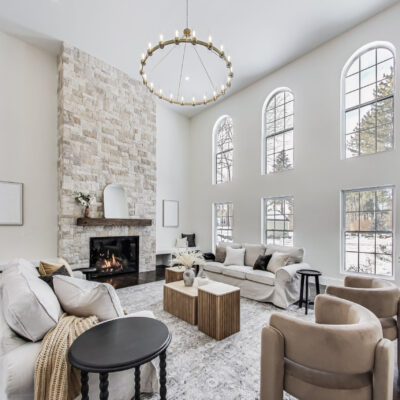
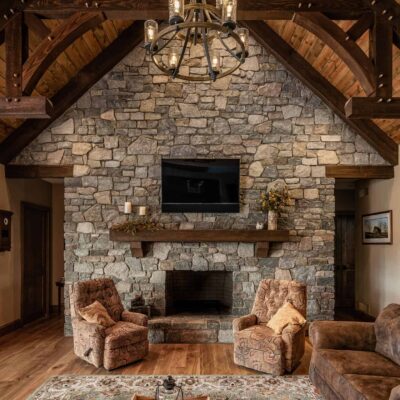
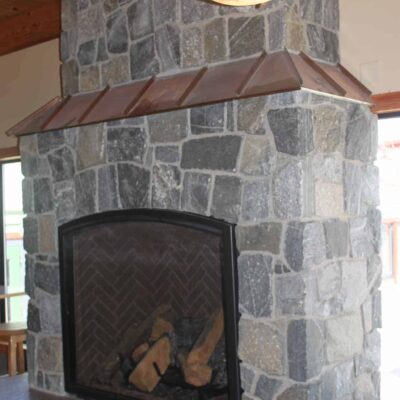
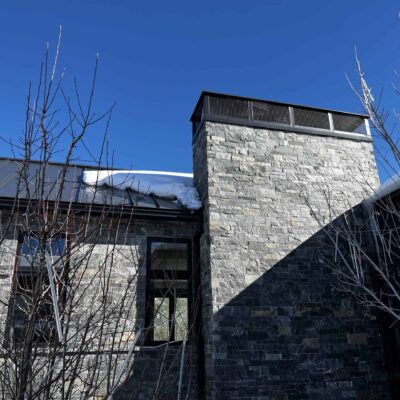
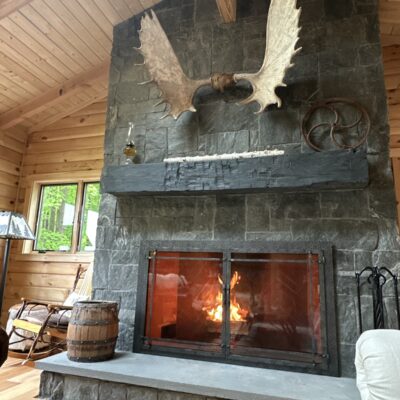
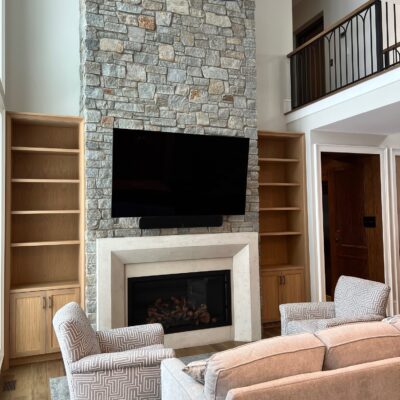
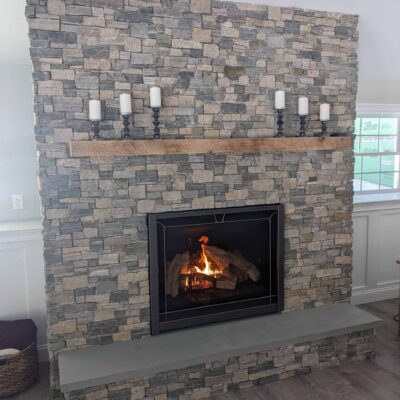
- Fireplaces and chimneys
- Foundations and below-grade
- Interior accent walls
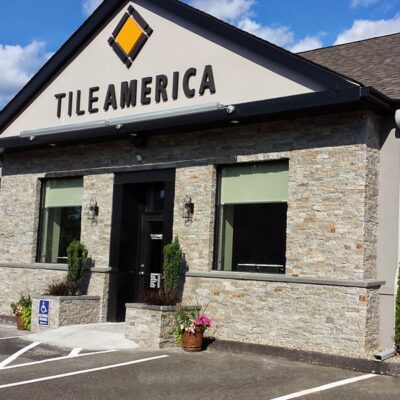
- Commercial exteriors and historic restorations
Installation Essentials
Install on properly prepared substrates with a complete adhered-veneer system designed for stone, such as LATICRETE® MVIS or an installer-specified equivalent. Suitable for interior and exterior applications in all regions, including below-grade, water-feature, blowing-sand, and near-salt-water use.
- Substrates: CMU, poured concrete, masonry, or framed walls with WRB, lath, and scratch coat
- Mortar: avoid generic Type N/S mixes that aren’t rated for adhered stone veneer
- Corners: set corners first to maintain bond lines around openings
- Climate prep: in freeze-thaw zones, ensure proper drainage and weep details behind the WRB
→ Read the full installation guide
· Contractor’s Hub
· Architect Info
Estimating & Shipping
Measure your walls, subtract openings, then add the recommended waste percentage for your chosen shape.
Shipping: for medium to large projects, shipping typically adds less than $1 per sq ft. We ship nationwide from Littleton, MA.
→ See pricing details
· Request a quote
· Find a local dealer
Frequently Asked Questions
What is thin stone veneer?
Thin stone veneer is real natural stone cut to roughly 1″ thick. It gives you the look, feel, and durability of full-dimension stone, but it’s light enough to install on standard framed walls without structural footings. Stoneyard’s veneer is cut from solid New England granite, quartzite, and fieldstone — never manufactured or molded.
What are the five shapes of thin stone veneer?
Stoneyard offers thin stone veneer in five shapes. Ledgestone is stacked horizontal pieces — modern and architectural. Ashlar is taller than ledgestone, roughly rectangular with a split face — traditional and refined. Mosaic is irregular triangle and stop-sign shapes fitted like broken ice — rustic and dense. Square & Rectangular is roughly square and rectangular pieces — dimensional and formal. Round is irregular round-edged pieces that mimic full rounded stones — classic New England character.
How thick and heavy is Stoneyard thin stone veneer?
Approximately 1 inch thick and under 14 pounds per square foot. That’s light enough to install on standard framed exterior walls — no structural footings required.
Is it real stone or manufactured?
Real stone, every time. Stoneyard cuts thin veneer from solid natural stone — granite, quartzite, and fieldstone — at our facility in Littleton, Massachusetts. We don’t sell manufactured, faux, or cast concrete veneer.
What does HCA — Harsh Climate Approved — mean?
HCA is Stoneyard’s proprietary rating system for thin veneer collections engineered for demanding conditions. HCA stone is cut from dense granite and quartzite, resists freeze-thaw damage and salt-air corrosion, and is suitable for below-grade, water-feature, blowing-sand, and near-salt-water applications on properly prepared substrates. Six collections carry the rating — Boston Blend, Colonial Tan, Greenwich Gray, Oyster Bay, Newport Mist, Vineyard Granite. HCA is a Stoneyard designation based on four decades of field performance across New England installations; it is not a third-party certification or industry standard. Read the full HCA explainer →
Where do you ship?
Nationwide from our facility in Littleton, Massachusetts. We ship to all 50 states and supply residential and commercial projects across the US. Prefer local pickup or want to see stone in person before ordering? Find a Stoneyard dealer →
What’s the typical shipping cost?
For medium to large projects, shipping typically adds less than $1 per square foot. Smaller orders ship at standard freight rates. We’ll confirm exact shipping when we quote your project.
Can I get samples before ordering?
Yes — up to 4 free samples per request. You only pay shipping. Samples ship within 3–5 business days from Littleton, MA. Order free samples →
Ready to take the next step?
Whether you’re spec’ing a project, choosing a stone, hiring a mason, or buying local — we’ve got the path.