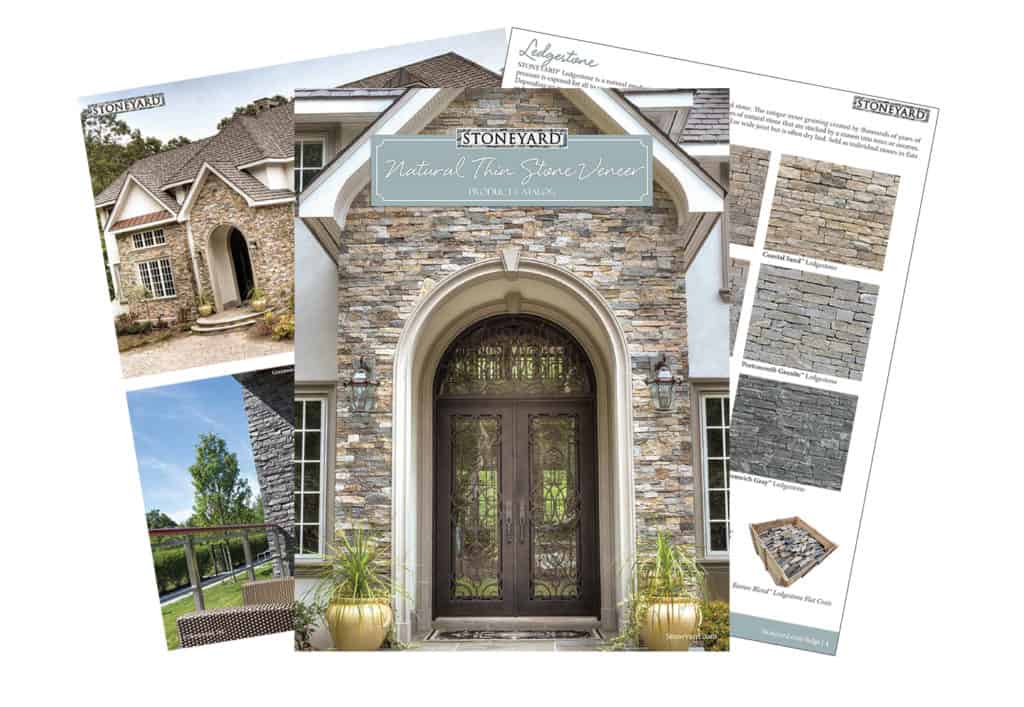
Stoneyard.com Natural Stone Veneer
"5-2-5"
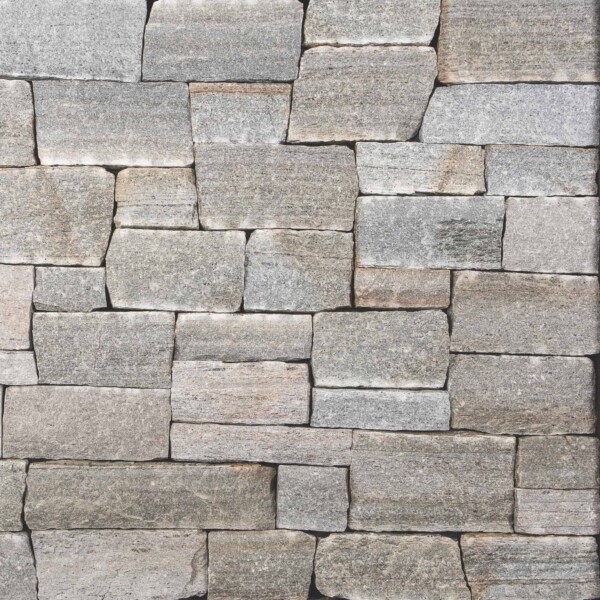
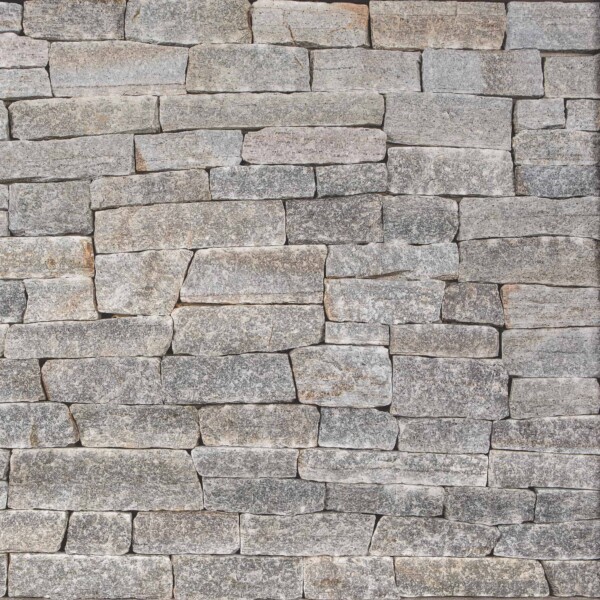
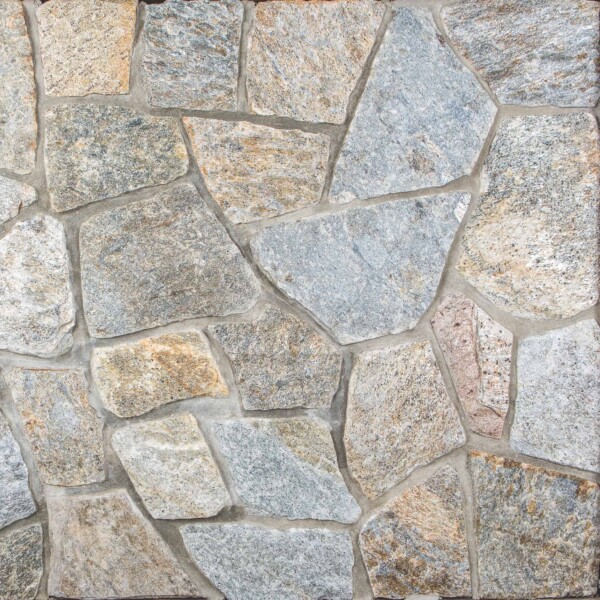
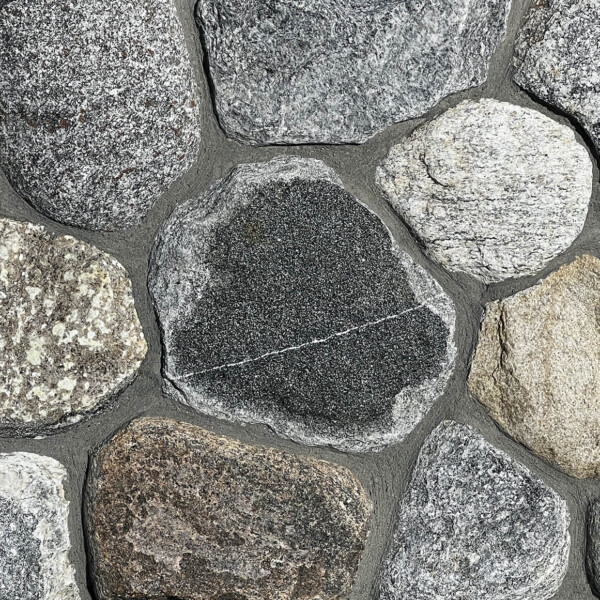
Available in 5 Shapes, 2 Thicknesses, and 5 Colors

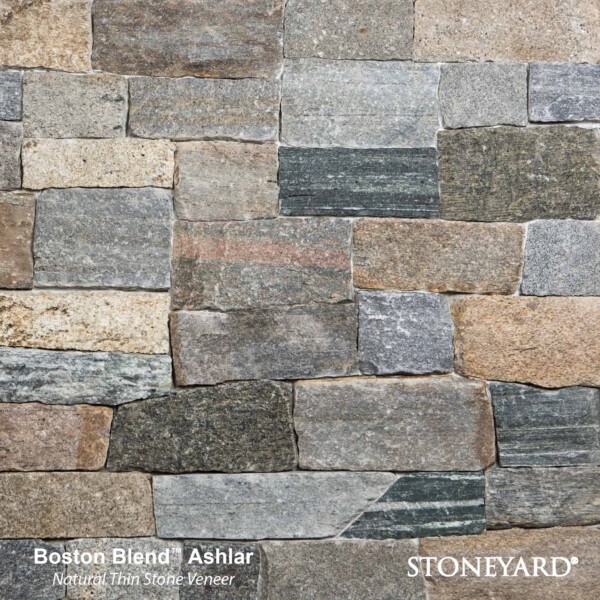
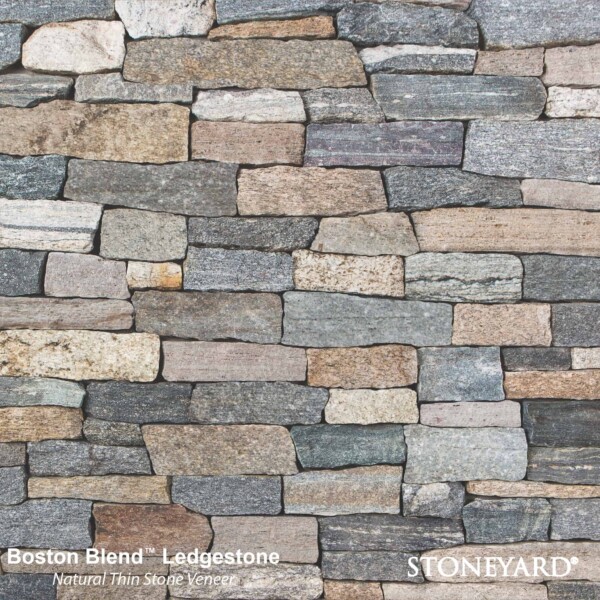
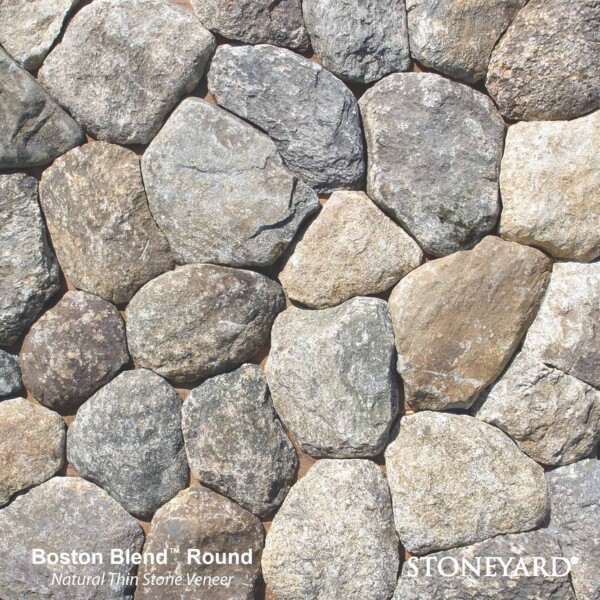
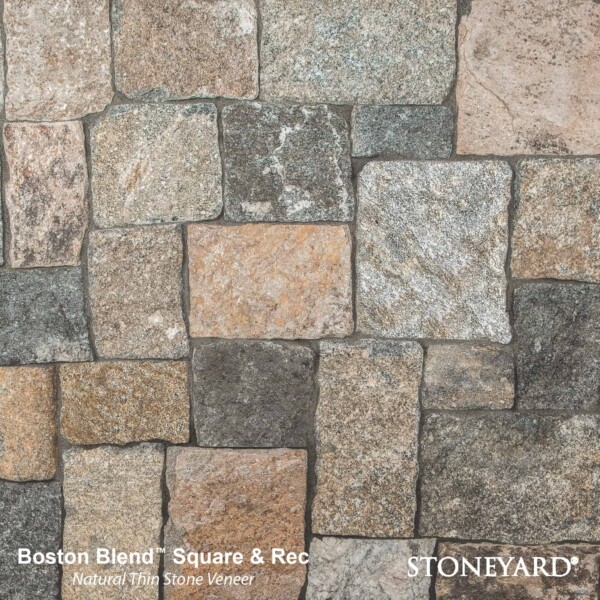
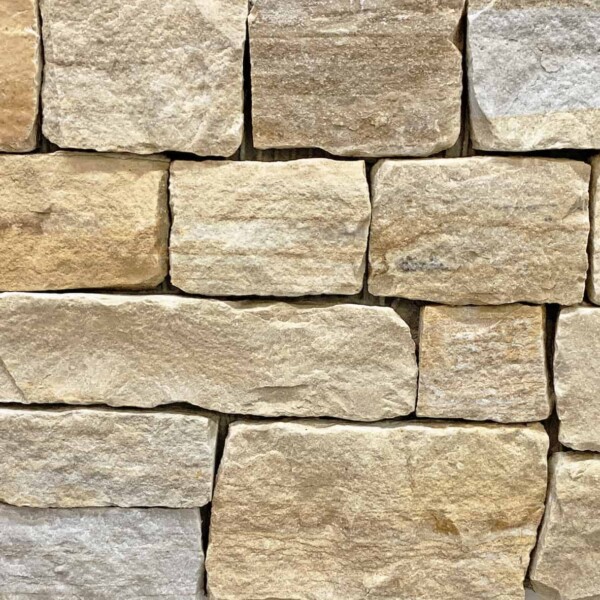
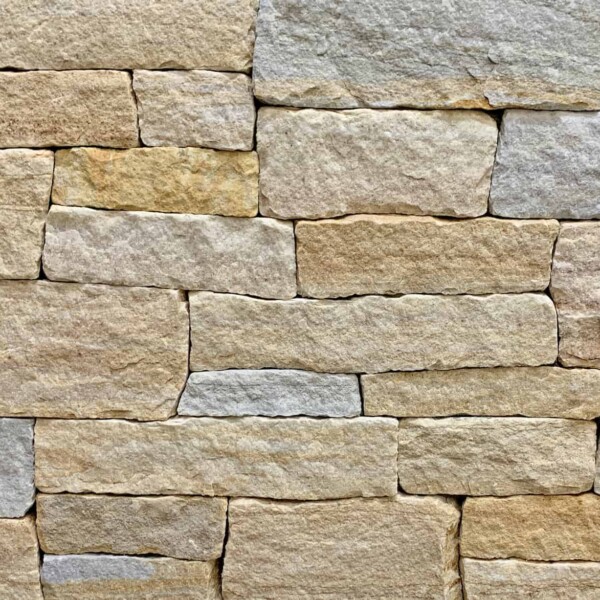
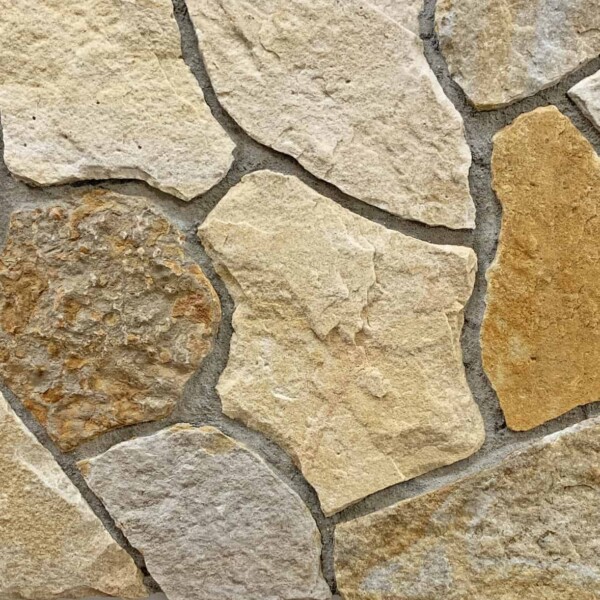
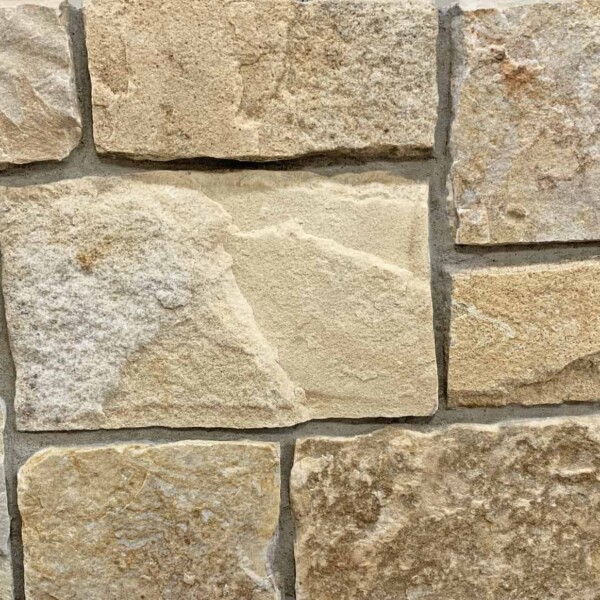
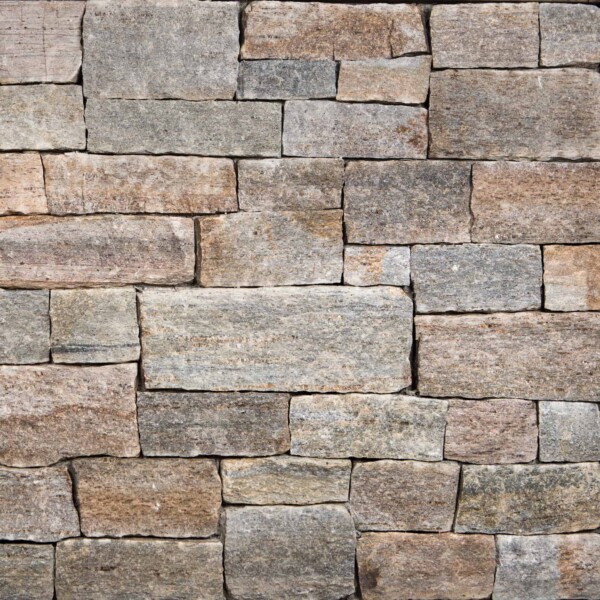
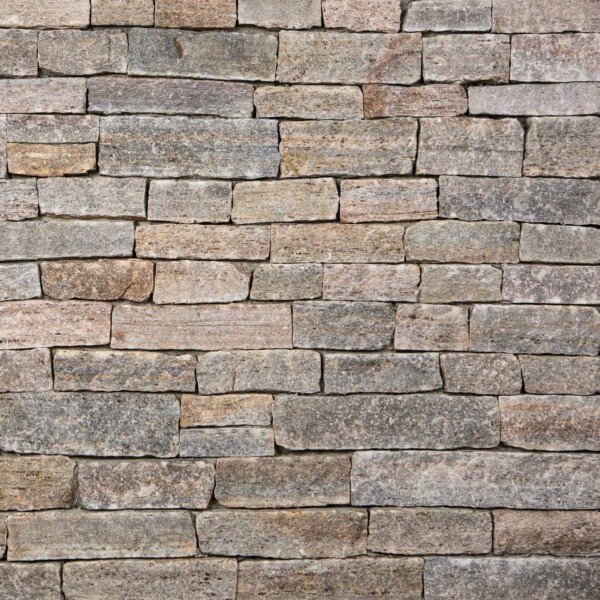
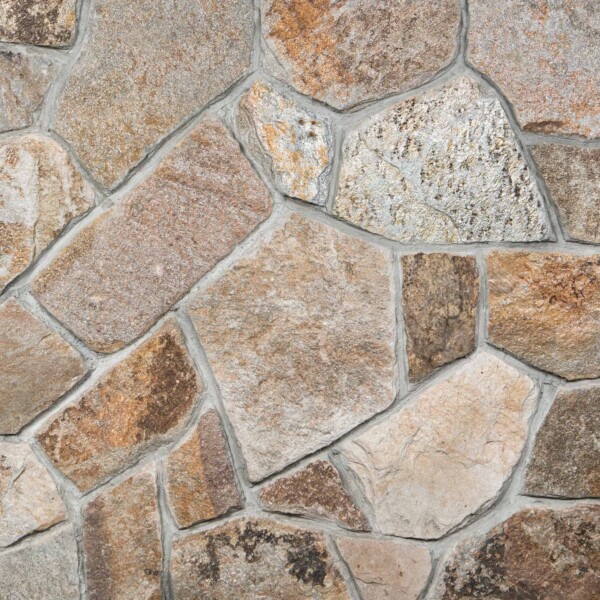
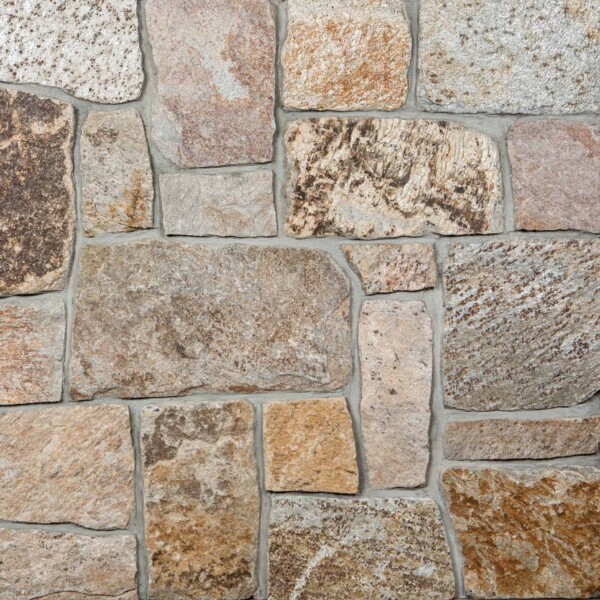
For years, we have been transforming New England natural stone into 5 different shapes of Thin Veneer (1 inch thick) and the matching Building Veneer (3-6 inch thick). Recently, we have expanded our product line into 5 unique color options. Each color is available only in certain shapes.

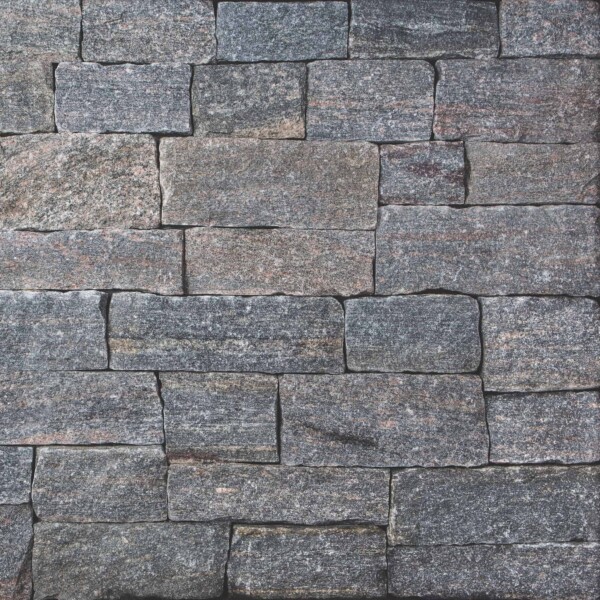
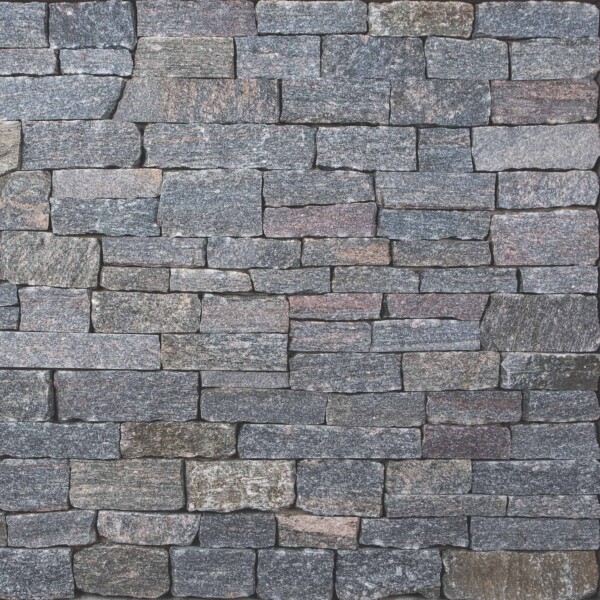
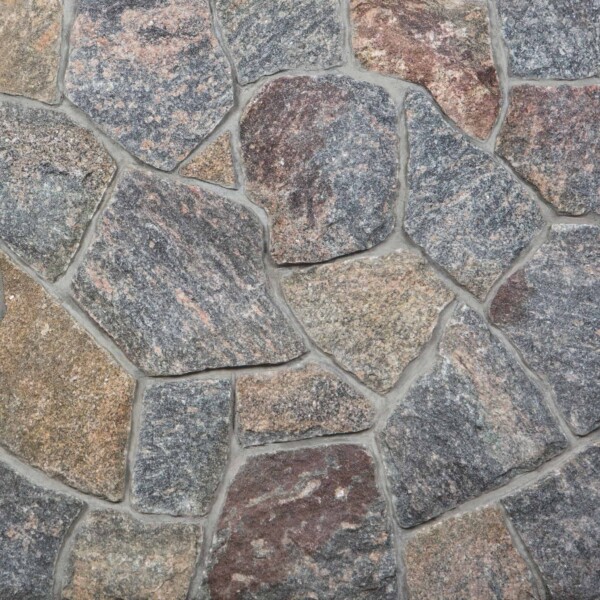
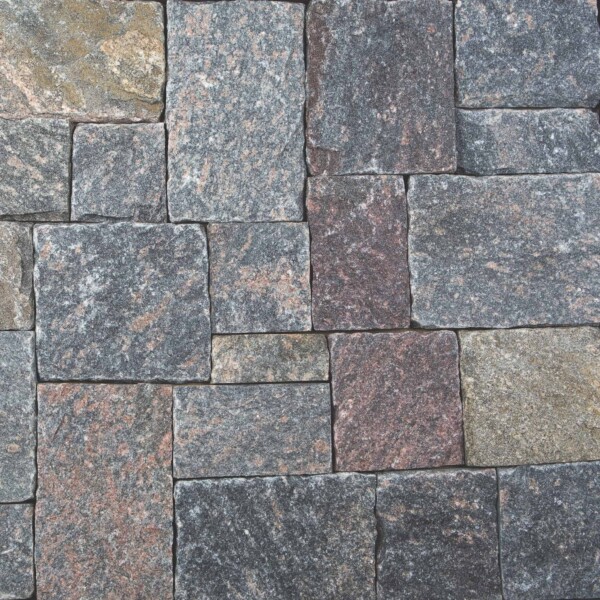
For more information on each shape and its availability, click one of the 5 shape options pictured below.

5 Different Veneer Shape Options:

round_sml.jpg    ledgestone_sml.jpg   mosaic_sml.jpg   ashlar_sml.jpg     square_sml.jpg


5 Different Color Options:

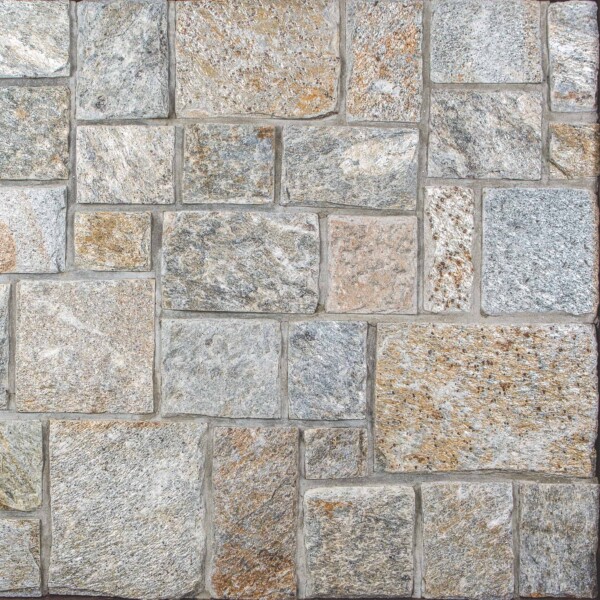
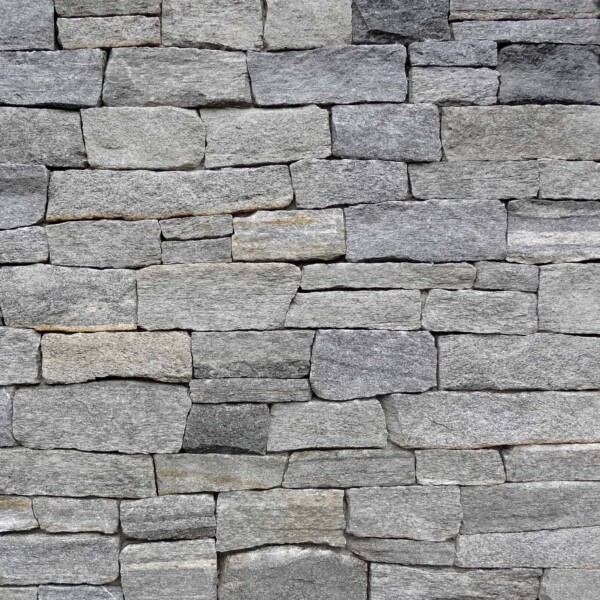
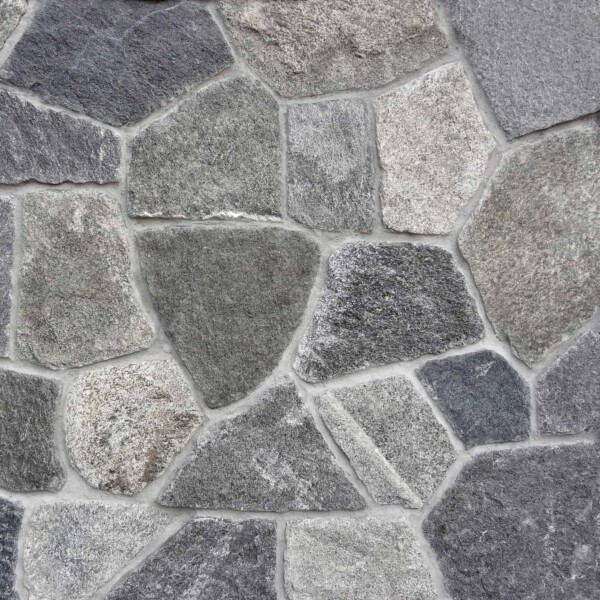
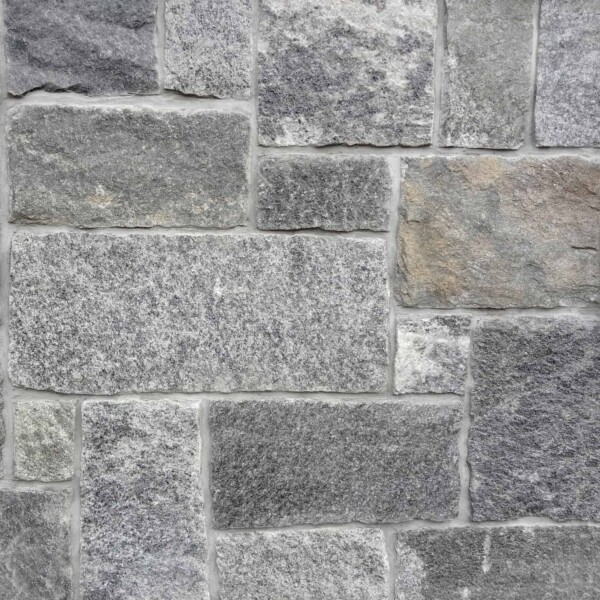
Boston Blend New England Fieldstone is available in:

Greenwich Gray is available in:

Yorkshire Granite is available in:

Colonial Tan is available in:


There are 2 Thickness Options for all Veneer Shapes and Colors:

Thin Veneer (1.0 inch thick)

The main difference: Thin Veneer is adheared directly to the surface (weighs less than 14 lbs/sf)

Details of Thin Veneer:

  • Sawn pieces of stone
  • 1 inch +/- 0.5" thick

  • Less than 14 lbs/sf

  • Does not require a load bearing foundation

  • Sticks directly to the structure's wall


Fieldstone veneer specifications

Why Use Thin Veneer?

We start with the same signature blend of stone. However, Thin Veneer allows natural stone to be used in applications that do not incorporate a concrete footing to support the weight of traditional full thickness masonry stone. Thin veneer is often chosen for renovations on the siding of an existing wooden building, stone facing a fireplace, or to jazz up a concrete foundation.

Thin veneer stone is available in both "flats" and "corners" so that the finished product looks completely realistic -- just as if full thickness (3-6 inch) Building Veneer had been used -- but with lower transportation costs and site construction expenses. (Imagine carrying 80% less weight up your staging!)

This thin stone cladding (facing) can be applied over wood siding. The bonding agent, installed by a qualified mason, supports the weight of the stone, which is less than 14 lbs per square foot. Our thin veneer stone is roughly 1 inch thick, and this allows your mason to safely recess the mortar joints an average of a quarter inch if the project calls for tightly jointed or mortar recessed masonry construction.

See our installation instructions for more details, but one thing we always recommend is a moisture control system to prevent water damage to the substructure and to prevent efflorescence (white salt stains on the stone).

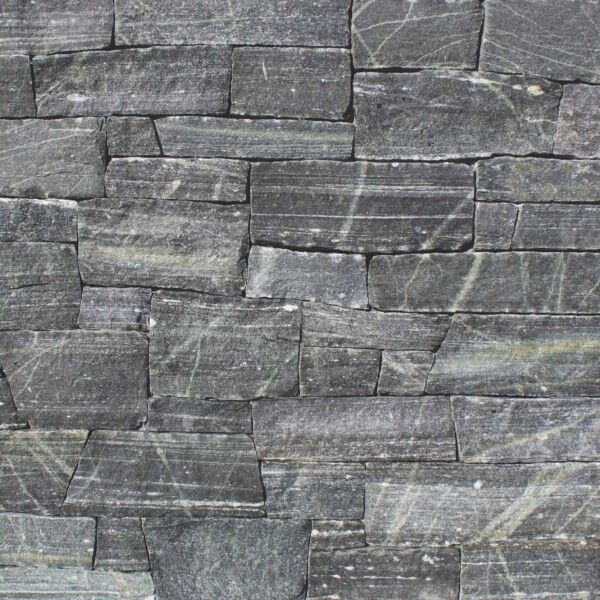
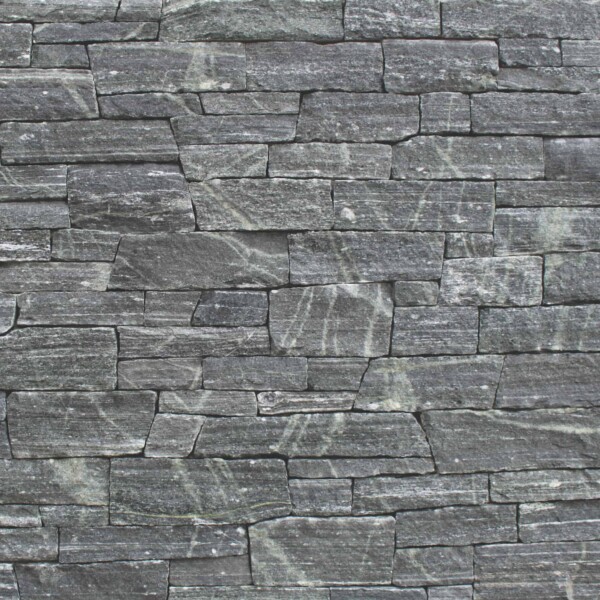
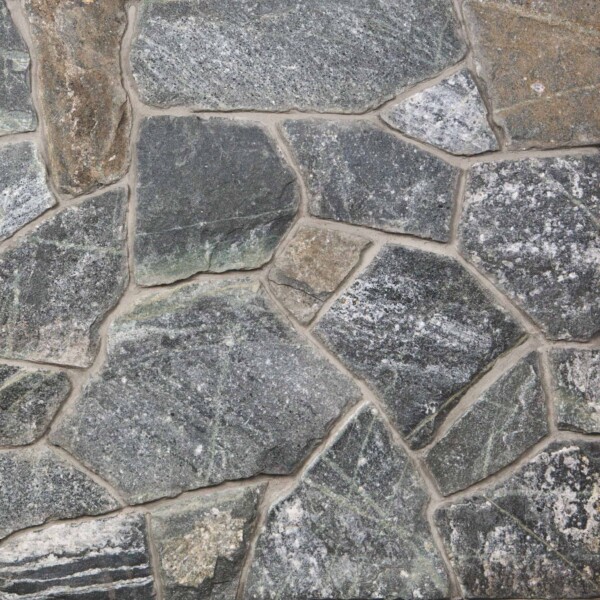
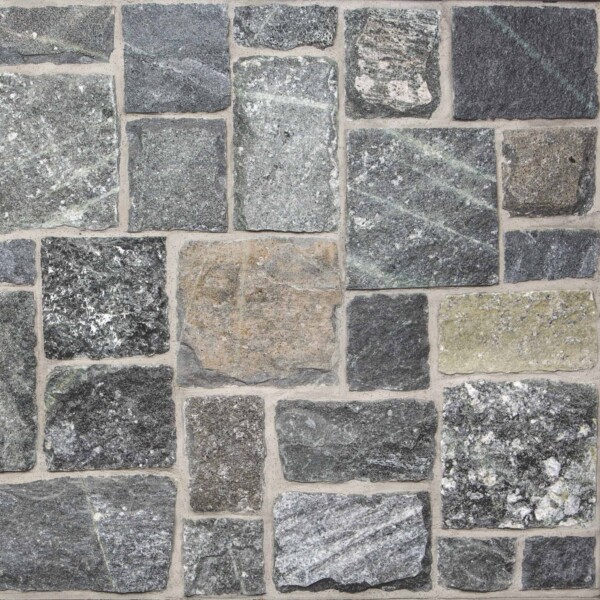
We saw our Thin Veneer from "regular" face sized building veneer. Three face shapes are weathered: Mosaic, Square and Rectangular, and Round, and our two stacked stones feature the inside grain of the stone: Ledgestone and Ashlar.

Benefits of Thin Veneer

  • About the same price per square foot as manufactured stone.

  • Dramatically lower transportation costs than full thickness stone (Building Veneer).

  • Pre-cut corners create the appearance of full thickness stone.

  • Lower cost for field trimming and dressing.

  • Installs the same way as man-made manufactured stone.

  • Five unique face options to create "your" particular look.

  • Weathered colors and/or inside grain colors.

  • Suitable for facing concrete block or poured concrete for retaining wall construction or foundations.

  • Suitable for putting stone on a wood structure.

  • 1 inch thickness allows for recessed joints.

  • Weight is less than 14 lbs per square foot which allows the product to be used in construction applications without a load bearing support.

Downsides of Thin Veneer

  • No downsides, however stone typically requires an experienced installer for first class results. Some weekend warriors are making thin stone veneer a do-it-yourself project.

Building Veneer (3.0-6.0 inch thick)

The main difference: Building Veneer is anchored to a weight bearing foundation (weighs ~60 lbs/sf)

Details of Building Veneer:

  • Full pieces of natural stone

  • Stones range from 3.0- 6.0 inches thick

  • ~60 lbs/sf

  • Requires 6 inch weight bearing foundation

  • 35 sf/ton, ~1.5 ton per pallet


Fieldstone veneer specifications

Why use Building Veneer?
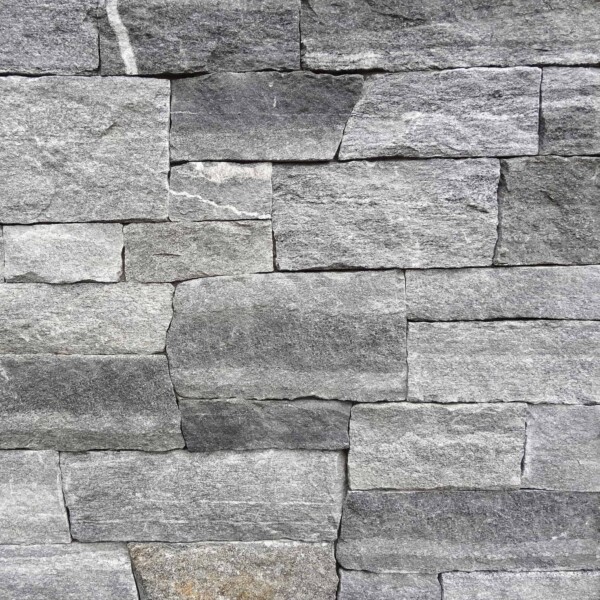
Building veneer is a product line that historically was created on site by the stone mason buying extra wall stone and culling through the unusable pieces. We saw a better way. We set our craftsmen and stone splitters to the task of creating the Building Veneer line to allow the project owners to re-create exactly the look he or she wanted for the overall look, while reducing waste and shipping costs. Along the way we realized that we are saving project owners money by pre-processing stone in the controlled environment of our shop. Building veneer is more expensive than wallstone grade stone, but the net effect is a SAVINGS through more efficient field work by the mason on top of less waste and lower transport costs

Benefits of Building Veneer

  • In addition to five unique face options, there are multiple face size options: small, regular, and large.

  • Weathered faces and/or visible face is inside graining
  • Suitable for facing concrete block or poured concrete in retaining wall or foundation construction.

  • 5 unique shapes and 5 colors
  • More depth to recess joints - achieve a dry look if desired.

  • Matches Thin Veneer perfectly

Downsides of Building Veneer

  • Higher transportation costs than Thin Veneer.

  • Not a do-it-yourself project.

  • Requires experienced mason for proper installation.


Related Note:

Comparing Building Veneer to Wallstone

  • Wallstone "faces" are the sides of the stones.

  • Wallstone face sizing refers to the height of each piece and then assumes widely varying depths (often ranging from 6-18 inches).

  • Building veneer will be more cost effective than wallstone when used in a retention wall that uses concrete for the structural component and New England Fieldstone for the exterior face.

  • Wallstone or Building Veneer are often used for two sided landscape stone wall construction, and they typically net out about even on materials costs.

  • The Veneer product line has more face options than wallstone, allowing more custom tailoring of the finished look.


© 2010 Stoneyard.com | Historic New England Fieldstone. -   Terms of Use -   Privacy Policy

Phone: 800.231.2200 | Fax: 978.742.9898 | 2 Spectacle Pond Road, Littleton, MA 01460 USA